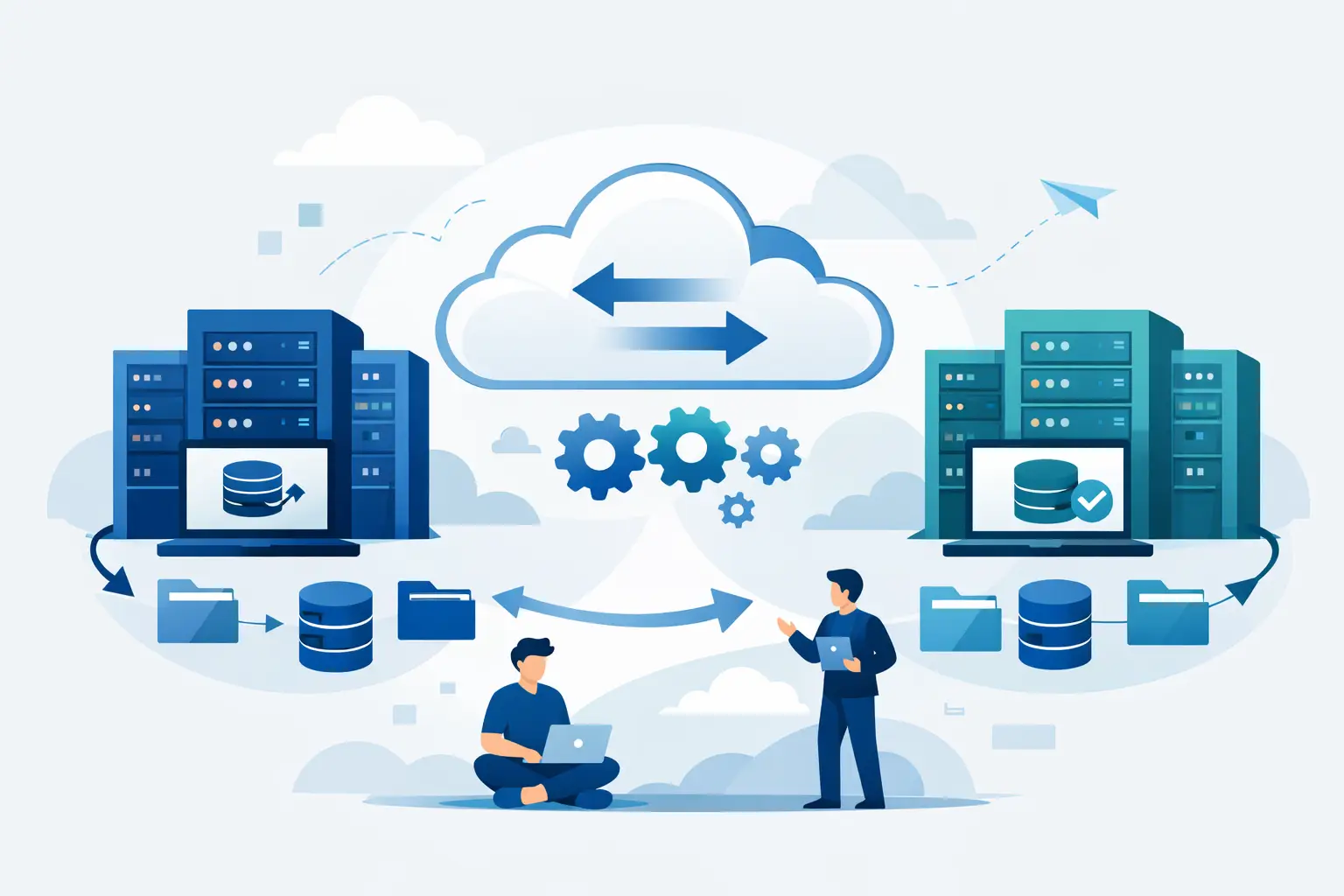
Un cierre de facturación, una ventana de pedidos de alta demanda o el procesamiento de nóminas no admiten una caída planificada de varias horas. En ese contexto, un caso de migración sin downtime no consiste en mover servidores con cuidado: exige rediseñar el cambio para que usuarios, aplicaciones y datos puedan convivir temporalmente entre dos entornos sin perder consistencia ni capacidad operativa.
Para un CTO o un responsable de operaciones, el objetivo no es simplemente mantener una pantalla accesible. La migración debe preservar transacciones, integraciones, trazabilidad, rendimiento y controles de seguridad. Si una plataforma sigue respondiendo pero genera pedidos duplicados, deja datos financieros desactualizados o rompe una integración crítica, el downtime no ha desaparecido: se ha trasladado al proceso de negocio.
Qué exige un caso de migración sin downtime
El primer requisito es definir con precisión qué significa disponibilidad para el negocio. Una aplicación puede tolerar que una función administrativa quede en modo lectura durante unos minutos, pero no que se interrumpa la recepción de pagos. Del mismo modo, una empresa puede aceptar una latencia ligeramente superior durante un cambio si evita dejar de operar. Estas condiciones deben convertirse en criterios verificables antes de elegir herramientas o proveedores cloud.
Un caso habitual es la modernización de una aplicación monolítica alojada en infraestructura propia hacia una arquitectura cloud. El sistema gestiona clientes, pedidos e inventario, se integra con un ERP y recibe tráfico continuo de varios canales comerciales. El riesgo principal no está solo en desplegar la nueva infraestructura. Está en mantener los datos sincronizados mientras ambas versiones del sistema procesan actividad real.
La aproximación más fiable separa el cambio en fases. Primero se construye y valida el entorno de destino con configuraciones reproducibles. Después se replica la información de forma continua, se dirige una parte controlada del tráfico a la nueva plataforma y se observa el comportamiento. Solo cuando los indicadores técnicos y funcionales cumplen los umbrales acordados se completa el cambio de tráfico.
Esta secuencia reduce el riesgo porque convierte una migración masiva en una serie de decisiones reversibles. Sin embargo, no elimina la necesidad de preparación. Cuanto más acoplada esté la aplicación a su base de datos, a servicios internos o a integraciones de terceros, mayor será el esfuerzo de diseño.
La disponibilidad no se valida solo con un balanceador
Un balanceador de carga permite distribuir solicitudes entre el entorno antiguo y el nuevo, pero no resuelve por sí mismo los problemas de estado. Las sesiones de usuario, las cachés, los ficheros compartidos, las colas de mensajes y las tareas programadas deben revisarse de forma explícita.
Por ejemplo, si ambas plataformas pueden ejecutar a la vez un proceso que confirma envíos o emite facturas, el resultado puede ser una duplicación operativa. La solución puede incluir bloqueos distribuidos, consumidores únicos para determinadas colas, claves de idempotencia o una separación temporal de responsabilidades. La elección depende del proceso y de la tolerancia al riesgo, pero ignorar esa capa suele ser el origen de incidentes evitables.
También es necesario distinguir entre disponibilidad de infraestructura y continuidad de datos. Una réplica de base de datos con segundos de retraso puede ser suficiente para analítica, pero no para una operación que necesita confirmar inventario en tiempo real. El objetivo de punto de recuperación y el objetivo de tiempo de recuperación deben definirse para cada dominio de datos, no como una cifra genérica para toda la empresa.
Arquitectura y datos: el núcleo de la migración
En una migración sin parada, la base de datos suele marcar el ritmo del proyecto. La estrategia más directa consiste en crear una réplica continua hacia el destino y mantenerla actualizada hasta el momento del cambio. Esto funciona bien cuando el motor, el esquema y el modelo de acceso son compatibles. Si además se cambia de tecnología de base de datos o se transforma el modelo de datos, la complejidad aumenta de forma significativa.
En esos casos, puede ser necesario aplicar captura de cambios, publicar eventos de dominio o ejecutar procesos de reconciliación. La organización debe poder responder a preguntas concretas: ¿qué sistema es la fuente de verdad en cada fase?, ¿cómo se resuelven los conflictos?, ¿qué ocurre con una transacción iniciada antes del cambio y completada después?, ¿cómo se detecta un registro omitido?
La compatibilidad hacia atrás es otro principio clave. Durante la transición, la aplicación antigua y la nueva pueden leer y escribir sobre estructuras comunes. Por eso conviene aplicar cambios de esquema de forma aditiva antes de eliminar campos o modificar semánticas. Añadir una columna, desplegar código capaz de trabajar con ambas representaciones y retirar la estructura anterior al final es menos rápido que un cambio único, pero ofrece una ruta de reversión realista.
En StrateCode, este tipo de decisiones se aborda como un problema de arquitectura y operación conjunta. El despliegue no se considera terminado cuando el código llega a producción, sino cuando los equipos pueden observarlo, gobernarlo y recuperarse de un fallo sin depender de acciones improvisadas.
Patrones de despliegue que reducen exposición
La estrategia blue-green crea dos entornos equivalentes: uno atiende el tráfico actual y el otro recibe la nueva versión o la nueva plataforma. Tras las validaciones, el tráfico se conmuta. Su principal ventaja es una reversión rápida, aunque puede resultar costosa si se duplican recursos durante periodos largos y no resuelve automáticamente las escrituras concurrentes.
El despliegue canary desvía un porcentaje pequeño de usuarios o solicitudes al entorno nuevo. Permite medir errores, latencia y conversiones con tráfico real antes de ampliar el alcance. Es especialmente útil cuando el comportamiento depende de patrones de uso difíciles de reproducir en preproducción. A cambio, requiere observabilidad madura y reglas claras para detener o revertir el experimento.
Para migraciones de mayor alcance, una tercera opción es el patrón strangler. Se extraen funciones concretas del sistema heredado y se redirigen progresivamente a nuevos servicios. No ofrece una transformación inmediata, pero reduce el riesgo de reemplazar de golpe un sistema crítico. También permite priorizar áreas con mayor coste operativo o con una necesidad de escalabilidad más urgente.
No existe un patrón universal. Blue-green suele encajar en aplicaciones con estados controlados y entornos fácilmente replicables. Canary aporta más seguridad cuando hay incertidumbre de rendimiento. Strangler es razonable cuando el monolito contiene procesos complejos que no pueden migrarse en una única ventana de proyecto.
El plan operativo que evita sorpresas
La tecnología solo funciona si el proceso de cambio está preparado. Antes de desviar tráfico, el equipo debe acordar un plan de ejecución con responsables, condiciones de avance, umbrales de reversión y canales de comunicación. Un runbook útil no es un documento extenso que nadie consulta en una incidencia. Debe indicar qué se comprueba, quién toma cada decisión y qué acciones se realizan si una métrica se deteriora.
La validación debe combinar pruebas técnicas y comprobaciones de negocio. No basta con verificar que las APIs devuelven respuestas correctas. Conviene simular pedidos, actualizaciones de stock, conciliaciones, permisos de usuario, exportaciones y cualquier proceso que afecte a ingresos, cumplimiento o atención al cliente. Los responsables funcionales deben participar en la definición de estas pruebas, porque conocen excepciones que no aparecen en los diagramas de arquitectura.
La observabilidad debe estar disponible antes del corte, no añadirse después. Métricas de errores, tiempos de respuesta, saturación de recursos, retraso de replicación, profundidad de colas y resultados de procesos críticos permiten detectar degradaciones con rapidez. Los registros deben poder correlacionar una transacción entre servicios y entornos. Sin esa capacidad, el equipo puede tardar más en diagnosticar una incidencia que en ejecutar la propia migración.
También conviene realizar al menos un ensayo completo. El ensayo revela dependencias ocultas, permisos insuficientes, límites de proveedores y pasos manuales que no estaban documentados. Si el plan no puede ejecutarse de forma repetible en un entorno equivalente, confiar en que funcionará a la primera en producción es una decisión de riesgo, no una estrategia.
Cómo medir si el cambio ha sido correcto
Una migración no debe evaluarse únicamente por la ausencia de interrupciones visibles. Los indicadores relevantes incluyen el porcentaje de transacciones completadas, la consistencia entre sistemas, la latencia en los procesos prioritarios, el número de incidencias operativas y la capacidad de revertir durante el periodo de estabilización.
También hay una dimensión económica. Mantener dos entornos, replicar datos y duplicar integraciones eleva el coste temporal del proyecto. Sin embargo, ese coste debe compararse con una parada planificada, las ventas perdidas, el trabajo de recuperación y el impacto reputacional de un fallo. Para sistemas que sostienen operaciones críticas, invertir en una transición gradual suele ser más eficiente que concentrar todo el riesgo en una única noche de cambio.
La mejor señal de madurez llega después del corte: el equipo conoce el nuevo entorno, puede desplegar cambios de forma controlada y dispone de procedimientos para responder a incidentes. Diseñar una migración sin downtime no busca demostrar una capacidad técnica puntual. Busca dejar una plataforma que permita al negocio cambiar con menos riesgo la próxima vez.